
 ayurveda@theraviz.com
 1800 4252 2220

YOGA & MEDITATION
Yoga is a timeless Indian science dedicated to the discovery of the self and the union of body, mind, and breathe.
Yoga is a holistic system that integrates physical postures (asanas), breath control (pranayama), and meditation (dhyana) to cultivate balance, clarity, and inner peace. It harmonizes the body, mind, and breath, promoting overall well-being and a deeper connection to one’s inner self.The word “Yoga” is derived from the Sanskrit root “Yuj”, meaning to join or to unite—symbolizing the union of the individual self with the universal consciousness.
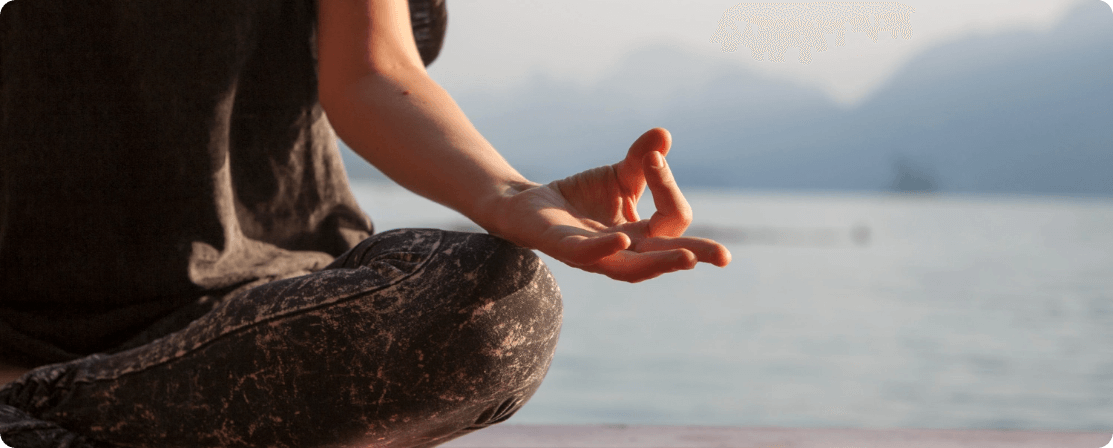
At the heart of yoga lies the pursuit of this spiritual balance. Yoga goes beyond physical postures it is a holistic practice that nurtures the body, calms the mind, and uplifts the spirit. While specific asanas support spinal alignment, digestion, and circulatory health, the deeper aim is to clear the mind of stress and negativity. When the mind is at ease, the body responds better to Ayurvedic treatments, making healing more effective and sustainable. A calm, centered mind is essential for long-term transformation and overall well-being.
DIFFERENT STREAMS OF YOGA
There are different methods in Yoga to cater the needs of different members of the society. This is because each individual has a definite level in the birth cycle and evolution. One may be at a primitive level and another may be about to reach the highest stage. People differ in the personality as Sattvika, Rajasika and Tamasika. They may differ depending on the observance of social rules in student phase (Brahmacharya)-Parent phase (Garhasthya)-Teacher phase (Vanaprastha) and detached phase (Sanyasa). Hence, a technique suitable to one man would not be suitable to all. Various streams of Yoga were introduced to suit different temperament, attitude and nature of the individual. Swamy Vivekananda has put forward the categorization of Yoga into 4 major streams viz. 1)Jnana Yoga, 2)Raja Yoga, 3)Bhakthi Yoga and 4)Karma Yoga.
JNANA YOGA
Jnana yoga is the path of philosophy, which is a systematic way of training the mind about the realities of...
Jnana yoga is the path of philosophy, which is a systematic way of training the mind about the realities of life by contemplation. This will strip of the ignorance (Avidya) from our mind and the mind goes to its natural state of rest. Jnana yoga is a stream of yoga that is more suitable to the people who are born genius.
Read More
RAJA YOGA
Raja Yoga is the path of meditation and mental discipline. It systematically trains the mind to gain control over thoughts...
Raja Yoga is the path of meditation and mental discipline. It systematically trains the mind to gain control over thoughts and emotions, leading to inner peace and self-realization. Raja Yoga is best suited for those who seek a structured, inward journey through deep concentration and meditation.
Read More
BHAKTHI YOGA
Bhakthi yoga denotes the spiritual practice of nurturing and loving devotion (Bhakthi) to personal form of God. The path of...
Bhakthi yoga denotes the spiritual practice of nurturing and loving devotion (Bhakthi) to personal form of God. The path of worship is a systematic method of engaging the mind in the practice of divine love. This attitude of love softens our emotions and tranquilizes our mind.
Read More
KARMA YOGA
Karma Yoga or discipline of action is based on the teaching of Bhagavat-Gita. Karma yoga focus on the adherences to...
Karma Yoga or discipline of action is based on the teaching of Bhagavat-Gita. Karma yoga focus on the adherences to duty (Dharma) while remaining detached from the reward. It states that one can experience salvation (Moksha) or love (Bhakthi) of God by performing their duties in an unselfish manner for the pleasure of the supreme, which is the welfare of the world.
Read More
HATHA YOGA
Hatha Yoga is the path of physical discipline, focusing on the balance between body and mind through postures (asanas), breath...
Hatha Yoga is the path of physical discipline, focusing on the balance between body and mind through postures (asanas), breath control (pranayama), and purification practices. It prepares the body as a steady foundation for higher forms of yoga. Hatha Yoga is ideal for those who begin their spiritual journey through physical well-being and bodily awareness.
Read MoreOur yoga experts prepare regimens combining yogic postures with meditation and pranayama in consultation with our Ayurveda and wellness experts to ensure a more synchronised approach. Mental health problems such as depression, anxiety, stress, and insomnia are among the most common reasons for individuals to seek treatment with complementary therapies such as yoga. Yoga encourages one to relax, slow the breath and focus on the present, shifting the balance from the sympathetic nervous system and the flight-or-fight response to the parasympathetic system and the relaxation response. The latter is calming and restorative; it lowers breathing and heart rate, decreases blood pressure, lowers cortisol levels, and increases blood flow to the intestines and vital organ
Restorative postures, savasana, pranayama, and meditation encourage pratyahara, a turning inward of the senses which enables downtime for the nervous system, the byproduct often being improved sleep. Because of its ability to increase relaxation and induce a balanced mental state, yoga has been studied to evaluate its possible effects on sleep and insomnia. Regular practice of yoga resulted in a significant decrease in the time taken to fall asleep, an increase in the total number of hours slept, and in the feeling of being rested in the morning.
Yoga enhances skin and hair health by improving circulation, nerve function, and glandular activity. Asanas stretch and stimulate the skin, preventing aging and promoting a natural facelift, especially through inverted poses like headstands. These increase blood flow to the face and scalp, nourishing hair follicles and aiding thicker growth. Pranayama supports detoxification, regulates skin temperature, and boosts overall skin function, while also reducing stress and improving sleep for a refreshed appearance.
Stress has a negative impact on the immune system, and prolonged exposure increases susceptibility to disease, leading to physical and mental health problems such as anxiety and depression. Practicing yoga and meditation to manage and relieve both acute and chronic stress helps individuals overcome co-morbidities associated with various diseases and improves overall quality of life. As a non-pharmacological form of treatment, yoga-based interventions offer an effective alternative for managing mood disorders.
Yoga improves blood circulation, increases hemoglobin and red blood cell levels, and enhances oxygen delivery to body cells. It helps prevent heart attacks and strokes by thinning the blood and improving cardiovascular function. Twisting and inverted poses aid venous return and oxygenation. Yoga also improves cardiorespiratory performance, lowers blood pressure, enhances autonomic balance, and slows age-related cardiovascular decline. Regular practice supports heart health, reduces stress, and promotes overall well-being.
Yoga builds and maintains muscle strength, protects joints, and helps prevent arthritis, osteoporosis, and back pain. It improves flexibility, balance, and joint health by enhancing blood flow and nourishing cartilage. Regular practice can reduce chronic pain, improve mobility, and even lessen reliance on pain medication. It also supports better gait and balance, especially in older adults.
The practice of yoga helps cancer patients reduce the frequency and intensity of post-chemotherapy nausea, anticipatory nausea, and vomiting. It also decreases anxiety, depression, and distressing symptoms, with significant reductions in toxicity scores compared to controls. Yoga, along with breathing exercises and meditation, can reduce stress, promote healing, boost energy, lessen treatment side effects, and enhance quality of life for cancer patients.
Yoga improves self-reported quality of life and physical function in the elderly. It boosts energy, enhances fitness, and reduces fatigue. With its focus on mindfulness and accepting the body’s limits, yoga helps reduce stress, especially in those with serious illnesses. This release of tension promotes well-being and a balance of mind, body, and spirit. It also improves gait and reduces age-related changes in movement among healthy older adults.
In today’s tech-driven world, many adolescents become addicted to gadgets, social media, and gaming, harming their physical and mental health. Yoga and meditation help by promoting awareness, emotional balance, and self-respect. Regular practice can reduce addictive behaviors, ease depression, and improve brain chemistry by increasing serotonin and reducing stress hormones.
Eating disorders are a specific type of addiction, and yoga appears to be beneficial in improving body image disturbances and supporting recovery. One study found that female yoga practitioners attributed their positive feelings and sense of well-being to yoga, reporting less self-objectification, greater satisfaction with their physical appearance, and fewer disordered eating attitudes compared to non-practitioners.
While anxiety and depression are often treated with psychological and pharmacological methods, mind-body practices like yoga are gaining popularity for stress reduction. Yoga serves as a complementary or alternative therapy, helping to improve well-being, relaxation, self-confidence, body image, focus, and interpersonal relationships, while reducing irritability and promoting a more positive outlook.
Yoga for Insomnia
Restorative postures, savasana, pranayama, and meditation encourage pratyahara, a turning inward of the senses which enables downtime for the nervous system, the byproduct often being improved sleep. Because of its ability to increase relaxation and induce a balanced mental state, yoga has been studied to evaluate its possible effects on sleep and insomnia. Regular practice of yoga resulted in a significant decrease in the time taken to fall asleep, an increase in the total number of hours slept, and in the feeling of being rested in the morning.
Yoga for Skin Health
Yoga enhances skin and hair health by improving circulation, nerve function, and glandular activity. Asanas stretch and stimulate the skin, preventing aging and promoting a natural facelift, especially through inverted poses like headstands. These increase blood flow to the face and scalp, nourishing hair follicles and aiding thicker growth. Pranayama supports detoxification, regulates skin temperature, and boosts overall skin function, while also reducing stress and improving sleep for a refreshed appearance.
Yoga to improve Immune System
Stress has a negative impact on the immune system, and prolonged exposure increases susceptibility to disease, leading to physical and mental health problems such as anxiety and depression. Practicing yoga and meditation to manage and relieve both acute and chronic stress helps individuals overcome co-morbidities associated with various diseases and improves overall quality of life. As a non-pharmacological form of treatment, yoga-based interventions offer an effective alternative for managing mood disorders.
Cardiac health
Yoga improves blood circulation, increases hemoglobin and red blood cell levels, and enhances oxygen delivery to body cells. It helps prevent heart attacks and strokes by thinning the blood and improving cardiovascular function. Twisting and inverted poses aid venous return and oxygenation. Yoga also improves cardiorespiratory performance, lowers blood pressure, enhances autonomic balance, and slows age-related cardiovascular decline. Regular practice supports heart health, reduces stress, and promotes overall well-being.
Pain management
Yoga builds and maintains muscle strength, protects joints, and helps prevent arthritis, osteoporosis, and back pain. It improves flexibility, balance, and joint health by enhancing blood flow and nourishing cartilage. Regular practice can reduce chronic pain, improve mobility, and even lessen reliance on pain medication. It also supports better gait and balance, especially in older adults.
Yoga for cancer Rehabilitation
The practice of yoga helps cancer patients reduce the frequency and intensity of post-chemotherapy nausea, anticipatory nausea, and vomiting. It also decreases anxiety, depression, and distressing symptoms, with significant reductions in toxicity scores compared to controls. Yoga, along with breathing exercises and meditation, can reduce stress, promote healing, boost energy, lessen treatment side effects, and enhance quality of life for cancer patients.
Yoga for Geriatric care
Yoga improves self-reported quality of life and physical function in the elderly. It boosts energy, enhances fitness, and reduces fatigue. With its focus on mindfulness and accepting the body’s limits, yoga helps reduce stress, especially in those with serious illnesses. This release of tension promotes well-being and a balance of mind, body, and spirit. It also improves gait and reduces age-related changes in movement among healthy older adults.
Yoga for Adolescent Care
In today’s tech-driven world, many adolescents become addicted to gadgets, social media, and gaming, harming their physical and mental health. Yoga and meditation help by promoting awareness, emotional balance, and self-respect. Regular practice can reduce addictive behaviors, ease depression, and improve brain chemistry by increasing serotonin and reducing stress hormones.
Yoga for Obesity
Eating disorders are a specific type of addiction, and yoga appears to be beneficial in improving body image disturbances and supporting recovery. One study found that female yoga practitioners attributed their positive feelings and sense of well-being to yoga, reporting less self-objectification, greater satisfaction with their physical appearance, and fewer disordered eating attitudes compared to non-practitioners.
Yoga for Androcare and Blossom at 40
While anxiety and depression are often treated with psychological and pharmacological methods, mind-body practices like yoga are gaining popularity for stress reduction. Yoga serves as a complementary or alternative therapy, helping to improve well-being, relaxation, self-confidence, body image, focus, and interpersonal relationships, while reducing irritability and promoting a more positive outlook.
Yoga is an ancient practice that unites the mind, body, and spirit through a series of physical postures, breathing exercises, and meditation techniques. Rooted in Indian philosophy, yoga offers a holistic approach to health, focusing on balance, flexibility, strength, and mental clarity. Through consistent practice, yoga helps reduce stress, enhances mindfulness, improves physical resilience, and fosters inner peace. Embracing yoga as a lifestyle encourages harmony with oneself and the world, promoting a deeper sense of well-being and self-awareness.
PRANAYAMA
The regulation of the breath through certain techniques and exercises.
YOGA AWARENESS PROGRAMME
Demonstration of different Asanas, Surya Namaskar and Pranayama.
GENERAL YOGA
Loosening exercises, basic Asanas, Relaxation techniques and Pranayama.
ADVANCED YOGA
Demonstration of classic Asanas, Surya Namaskar, Relaxation techniques, Pranayama and Meditation.

SURYA NAMASKAR SERIES
Classic Sun salutation comprising of 12 steps and its variations to source out cosmic energy.
MUDRAS AND BANDHAS
A combination of subtle physical movements which deepens awareness and concentration.
MEDITATION
The most powerful mind development program on earth; capable of giving boundless energy.
SATKARMAS
Satkarma is the practice of six cleansing techniques to remove the excess Kapha and Medhas from the body.
YOGA FOR CHILDREN
Mind and body development program for children which includes Asanas, Surya Namaskar, and Pranayama.
BASIC YOGA
The most powerful mind development program on earth; capable of giving boundless energy.
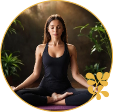
INTERMEDIATE YOGA
Satkarma is the practice of six cleansing techniques to remove the excess Kapha and Medhas from the body.
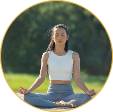
ADVANCED YOGA
Mind and body development program for children which includes Asanas, Surya Namaskar, and Pranayama.