
 ayurveda@theraviz.com
 1800 4252 2220

Hitāhitaṁ sukhaṁ duḥkham āyuḥ tasya hitāhitam |
Mānaṁ ca tacca yatroktaṁ āyurvedaḥ sa ucyate ||
Ayurveda is that which describes what is wholesome (hita) and unwholesome (ahita), what brings happiness (sukha) and sorrow (duḥkha), what supports life (āyuḥ hita) and what harms it (āyuḥ ahita), and the measurement or span of life (mānam).
So Ayurveda is not just about treating diseases; it’s a comprehensive science of life, guiding how to live well, make the right choices, and sustain long-term health and happiness.
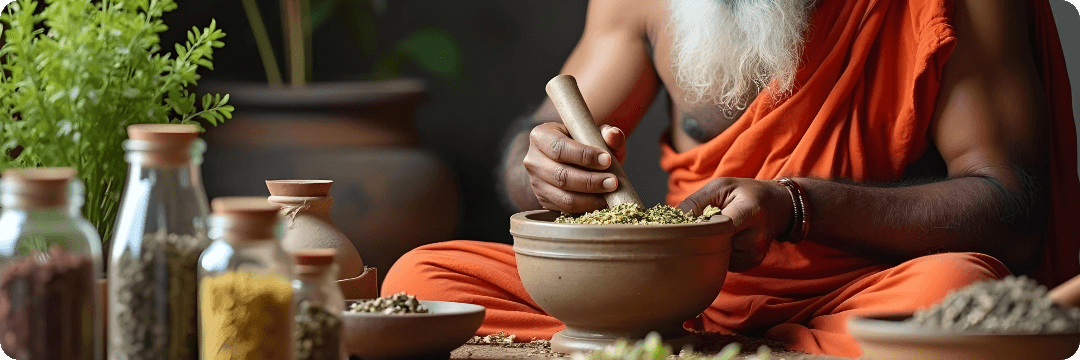
Ayurveda is one of the oldest holistic healing systems and was developed in India 5000 years ago. The principle of Ayurveda is the wellness of human being and that depends on the balance between three elements: body, mind and soul. It is the only one of its kind that addresses the physical, emotional and spiritual aspects of our well-being. It promotes healthy living through healthy lifestyle. Ayurveda is more than a mere system for curing ailments. The healing principle of Ayurveda mainly focuses on natural lifestyle modification.
THERE ARE TWO
PURPOSES TO AYURVEDA

SWAASTHYA
RAKSHANAM
Swastha means one who is healthy. So, the first purpose is to protect or preserve the health of the healthy people. This is the preventive aspect of Ayurveda.

AATURASYA VIKARA
PRASHAMANAM
Aatura means one who is diseased. So, to cure the disease of the diseased person is the second purpose. This is the curative aspect of Ayurveda.
We at Favourite Kerala Ayurveda & Wellness, help you get a healthy and holistic lifestyle through authentic Ayurveda, Yoga & Meditation.
PRINCIPLES
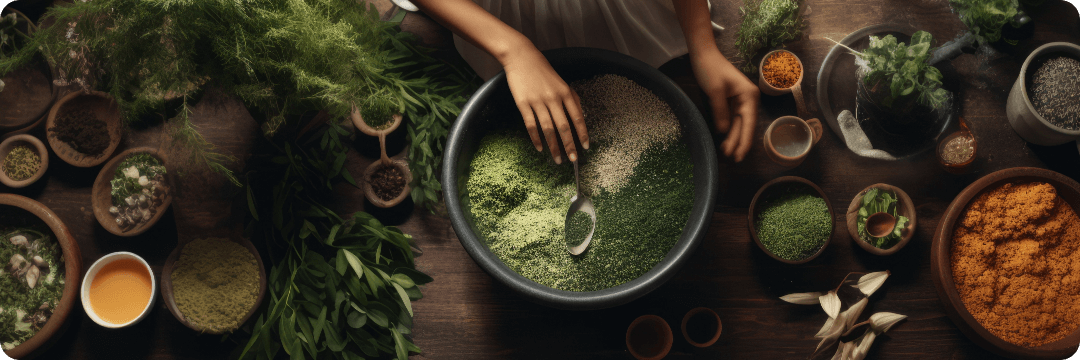
The three classic texts on Ayurveda — Sushruta Samhita, Charaka Samhita, and Ashtangahridaya — shed light on the ethics to be followed by both Ayurveda practitioners and patients.
In Ayurveda, there are seven basic tissues (dhatus): plasma (rasa), blood (rakta), muscle (māmsa), fat (meda), bone (asthi), marrow (majja), and semen (shukra). Ayurveda teaches that the bodily substances are composed of five classical elements known as the Panchabhuta: Earth (Prithvi), Water (Jala), Fire (Agni), Air (Vayu), and Ether (Akasha).
There are also twenty gunas (qualities or characteristics) considered inherent in all substances, organized into ten pairs of opposites. These elements and their proportions determine the constitution of the human body. Based on these combinations, the body is categorized into three ‘humours’ or body types, known in Ayurveda as the Tridoshas: Air Energy (Vāta), Fire Energy (Pitta), and Water Energy (Kapha). Ayurveda states that the balance (sāmyatva) of the doshas leads to health, while imbalance (viṣamatva) results in disease.

VATA
Composed of Air and Space, governs all bodily movements, including breathing, circulation, and nerve impulses.

PITTA
Composed of Fire and Water, governs digestion, metabolism, and all forms of transformation in the body.

KAPHA
Composed of Water and Earth, governs structure, stability, and lubrication of the body and mind.
CURATIVE & ELIMINATIVE
PROCEDURES
According to the body condition caused by the imbalance of dosha, Ayurveda can be classified into Curative and Eliminative procedures:
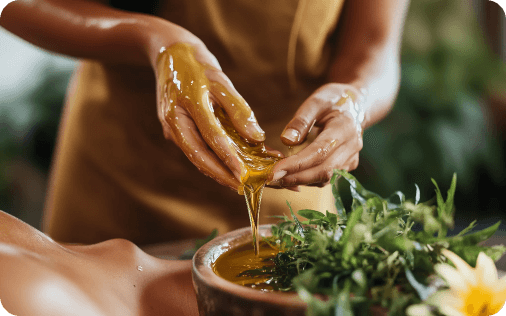
CURATIVE – SAMANA
This is to cure acute diseases and illnesses and includes all or any of these seven methods:
- 01Pachana (using digestives or medicinal herbs)
- 02Deepana (generating heat by increasing digestive fire)
- 03Kshut (fasting)
- 04Thrit (regulating fluid intake)
- 05Vyayama (exercises)
- 06Athapa (sun bathing)
- 07Marutha (breathing exercises)
ELIMINATIVE – SHODHANA
This remedial system cleanses the body to cure chronic diseases and long-term ailments. The great elimination process of Panchakarma is an important part of it. Panchakarma or the five actions purifies the human body of all toxins accumulated over the time and eliminates undigested metabolic wastes from the body channels. By this process, Panchakarma not only cures specific conditions but also offers a preventive way of protecting the body from diseases. The five actions of Panchakarma are
- Vamana – Therapeutic emesis (medicated vomiting)01
- Virechana - Therapeutic purgation02
- Vasti – Medicated enema therapy03
- Nasya - Nasal administration of medicines04
- Raktamokshana - Bloodletting / blood purification therapy05
Get In Touch
With Us
